House and flat deep cleaning in Blackpool with a room-by-room plan
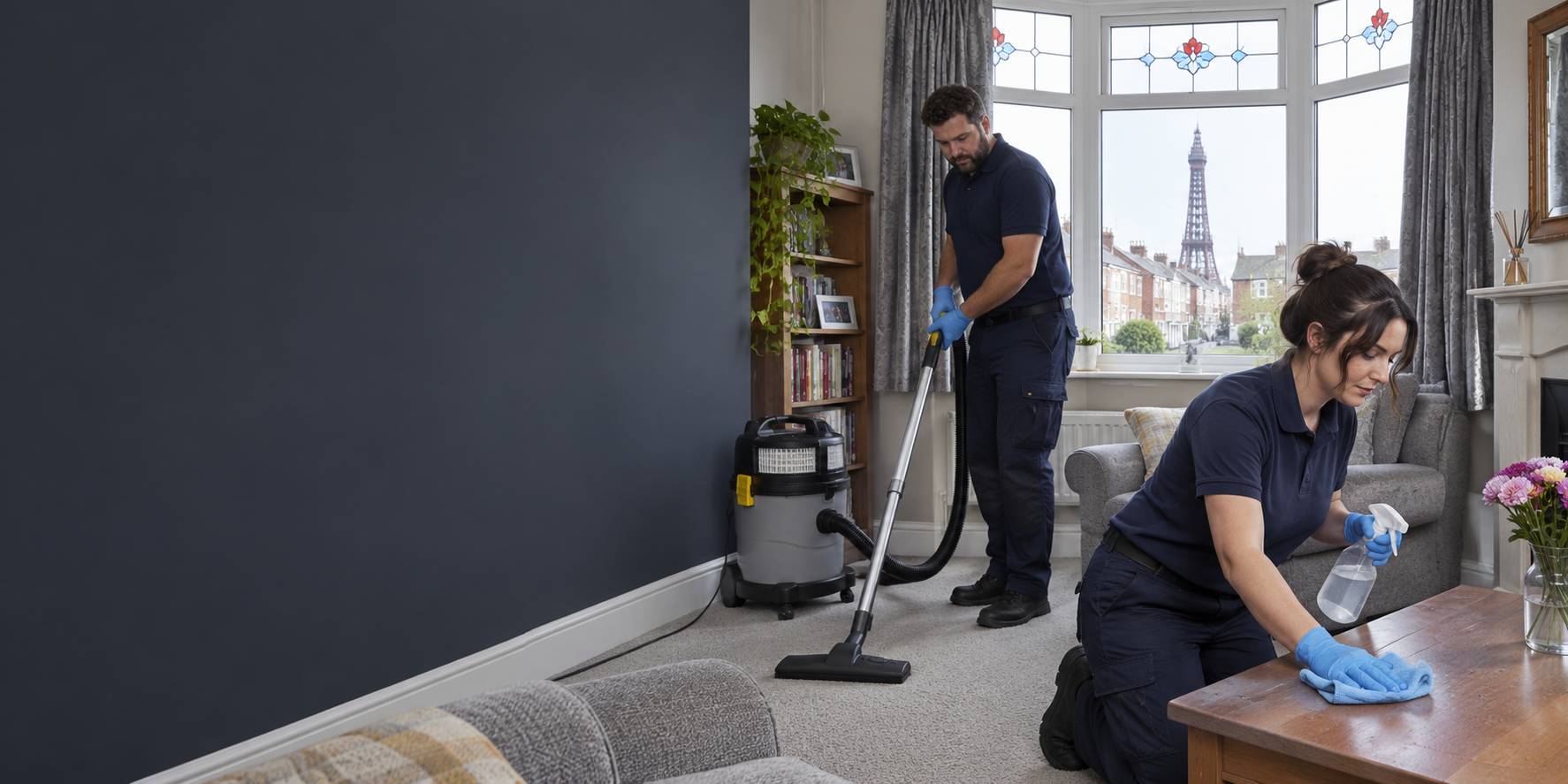
House and flat deep cleaning in Blackpool is most useful when the work is defined room by room. A property can need more than routine upkeep because it has stood empty, changed occupants, undergone a period of heavy use or accumulated soil in areas that are rarely reached. Nova Clean discusses detailed cleaning for occupied homes, vacant flats and managed properties across the Fylde. We ask about the size, condition, access, utilities and the surfaces that matter most. A realistic quotation separates cleaning from repairs, waste removal, carpet extraction or specialist contamination work when these require different methods. The aim is a practical, documented improvement that respects the people and materials in the property.
Start with a useful description of the property
The number of rooms alone does not describe the work. We ask whether the home is furnished, whether occupants will be present, when it was last maintained and which areas are difficult to access. Photographs can help show kitchen grease, bathroom scale, floor condition and built-up dust without requiring the client to share unnecessary personal details. A flat with one heavily used kitchen may need more time than a larger but well-kept house. We discuss any deadline for tenancy, sale or return from a hospital stay. This information helps shape the scope before a visit is arranged.
Agree access and the handling of belongings
Deep cleaning around personal possessions requires a different plan from cleaning an empty property. We ask which cupboards can be opened, which items must remain untouched and who can make decisions if an object blocks access. Fragile, valuable or sentimental possessions should be secured by the owner before work. The team should not throw away belongings or move heavy furniture without explicit agreement. A room-by-room brief can identify clear surfaces, restricted areas and any items the client will move. This protects privacy and gives the cleaners a workable route through the property.
Prepare kitchens for a detailed clean
Kitchen work can include accessible worktops, cupboard fronts, sinks, splashbacks, appliance exteriors and floors. Cleaning the inside of an oven, fridge or cupboard should be specified separately because it requires the space to be emptied or isolated. Grease near a hob may need a different product from limescale around a tap. We ask about delicate stone, painted cabinets, damaged seals and any surface care instructions. A cleaner cannot repair a failed extractor, leaking pipe or broken appliance, but can note the defect. A clear kitchen checklist prevents a client from assuming that every concealed space is included.
Address bathrooms without damaging finishes
Soap residue, limescale and mildew appear on different materials. We identify tiles, grout, glass, acrylic, chrome, natural stone and silicone before choosing products. An acidic descaler suitable for some fixtures can etch marble or damage another surface. Failed sealant, mould behind a wall and poor ventilation need repair or investigation beyond surface cleaning. We discuss whether cupboards, shower screens and accessible extractor covers are included. A visible reduction in soil may still leave permanent discoloration in old grout or sealant. The quotation should distinguish the result cleaning can offer from a bathroom refurbishment.
Remove dust from details and high-use rooms
Skirtings, doors, switches, accessible ledges, radiators and light fittings can accumulate dust that a routine pass misses. We agree which high areas are safely reachable and whether fragile fittings need the owner's assistance. In a furnished living room, furniture may limit access to edges; in an empty bedroom, the team can work more systematically around the floor and window. We consider dust from recent building work separately because fine construction particles may require staged cleaning and equipment suited to the material. A detailed clean should focus on the agreed problem rather than a vague promise to clean every hidden surface.
Choose floor care by material
Vinyl, laminate, timber, tile, natural stone and carpet each need different handling. Excess water can damage timber and some laminate, while acidic products can mark marble. We ask about previous treatments, loose boards and worn coatings. Vacuuming, controlled washing and local stain care can be part of a general deep clean; carpet extraction or stone polishing may require a separate process and drying plan. The client should know what is included and whether furniture will be moved. A safe method preserves the floor rather than chasing a uniform sheen that the finish can no longer support.
Clean windows and frames within the agreed reach
Internal glazing, accessible sills and frames may be included, but external upper windows need a separate access assessment. We ask whether blinds and curtains will remain, whether furniture blocks the glass and whether post-build adhesive or paint marks are present. A routine window wipe is different from removing specialist residue on coated glass. Damaged seals, condensation between panes and scratches cannot be repaired by cleaning. The room list should identify the sides and surfaces included, so the handover does not depend on assumptions about every window in the building.
Handle odours and long-vacant rooms sensibly
A stale smell may come from poor ventilation, retained waste, a leak, smoke or material beneath a floor. Surface cleaning can remove soil and improve a room, but it may not address the source of a persistent odour. We ask when the smell began and whether moisture or contamination is known. Opening windows and using a fragrance are not substitutes for investigating a hidden problem. Where the property has been affected by floodwater, sewage, a death or severe neglect, a separate risk assessment and controlled cleaning scope may be needed. We explain that distinction before booking a routine deep clean.
Plan cleaning around a move or property handover
A client preparing to move may need the property cleaned after removal firms leave but before an inventory or buyer visit. We ask when keys are available, whether utilities work and whether repairs or painting are still planned. Cleaning too early can lead to repeated work as contractors create dust. A final inspection is easier when rooms are empty and dry. We distinguish deep cleaning from end of tenancy cleaning if an agent has a specific inventory standard. The scope can include the relevant rooms and details without making an unsupported promise about a deposit or sale outcome.
Coordinate with support for an occupied household
Some clients need a detailed clean while continuing to live at home. We can discuss a phased plan that keeps essential rooms usable and protects privacy. The occupant or a trusted representative should identify priorities and agree what may be moved. A rushed whole-house programme may be less helpful than completing the kitchen and bathroom first, then addressing other rooms. The team should know about access, pets, mobility needs and any rooms that must remain quiet or closed. Cleaning does not replace social or medical support, but a practical, respectful plan can make the property easier to manage.
Separate clearance from cleaning
Large amounts of waste or stored items can prevent surfaces from being reached. We ask whether the client wants sorting, removal and disposal as distinct tasks before the clean. Decisions about possessions belong to the authorised person, and waste routes should be agreed. A severe hoarding situation may require staged clearance and a different safety assessment. We do not include disposal of unknown materials within a standard room cleaning quotation. Defining the work in stages helps the client understand the cost and prevents a team from arriving to find that the property cannot yet be cleaned.
Consider pets, children and product choice
We ask who will be in the property, what surfaces are used by children or animals and whether any material requires special care. Products must be used according to instructions, with suitable ventilation and time for surfaces to dry. The client should secure pets away from the work zone and identify items that must not be treated. We avoid describing ordinary cleaning as medical disinfection without an assessed need and suitable process. A clear plan can protect the household while achieving a useful result on kitchens, bathrooms and floors.
Agree the sequence and realistic duration
Work often starts with removing loose dust, then moves through detailed surfaces and floors so cleaned areas are not immediately re-soiled. A property with heavy kitchen grease or bathroom scale may need more time than a simple room count suggests. We discuss whether the home can be vacated, when access begins and whether more than one visit is sensible. Drying of carpets or upholstery, if included separately, affects the return to use. A practical schedule allows a final review and avoids promising a complete transformation in an unrealistic short appointment.
Review the result against a written scope
At handover, the person commissioning the work can compare each room with the agreed list. Photographs may help a remote landlord or agent, subject to privacy and consent. We record any inaccessible area, permanent stain or repair needed, and agree any change in scope before it is carried out. A cleaning result is not the same as a guarantee that every old surface will look new. Clear records help the client plan follow-on painting, flooring work or maintenance. They also make a later visit more efficient because the history of the property is known.
Understand what a quotation should describe
A useful quotation names the rooms, surfaces and special tasks rather than offer a single undefined promise. It should clarify the condition assumed from photographs, the access required and any exclusions such as high external glazing, waste disposal or specialist mould treatment. The client can then check whether oven interiors, cupboards, carpets and furniture are included. If the condition on arrival differs substantially, the change should be discussed before extra work is done. This makes the price easier to understand and the final review more objective, particularly when an agent is commissioning the work on behalf of an owner.
Work around ventilation and moisture
Cleaning products and damp surfaces need suitable ventilation and drying time. A property with condensation, mould or a recent leak may require investigation before a routine clean is sensible. We ask whether heating and windows are working and whether any room has been closed for a long period. Wiping visible mould without addressing persistent moisture can lead to recurrence. Where contamination is extensive or building fabric is damaged, a specialist assessment may be more appropriate. We explain what can be cleaned safely within the agreed scope and avoid describing a visibly clean wall as dry or repaired.
Care for older and delicate interiors
Blackpool and the Fylde have properties with older joinery, decorative plaster, natural stone and mixed flooring. A strong all-purpose product or aggressive machine may damage these finishes. We ask the owner to identify fragile materials and previous treatments, then consider a test where the response is uncertain. Some ageing, scratches or staining will remain after soil is removed. The aim is to protect the character of the interior while making it cleaner and easier to use. Repair or restoration of damaged materials should be planned with the appropriate trade rather than hidden inside a general deep clean.
Keep a manageable maintenance plan afterwards
After a detailed clean, the household or property manager can focus on the areas that soil quickly: kitchen touch points, bathroom moisture, floors near entrances and bins. A simple schedule for routine tasks helps preserve the result without assuming that every room needs the same frequency. If a persistent stain or odour was recorded at handover, investigate its cause before repeating the same treatment. Tenants and landlords can keep the room list with inventory records, while an occupied household can use it to decide what support is needed between professional visits. The clean should provide a practical starting point for ongoing care.
Request a house or flat deep clean in Blackpool
We discuss properties in central Blackpool, Bispham, Anchorsholme, Layton, Marton, Squires Gate, Fleetwood, Thornton-Cleveleys, Poulton-le-Fylde and Lytham St Annes. Send the postcode, number of rooms, whether the property is occupied, the main areas of concern and any deadline. Tell us if waste removal, carpet cleaning or repairs are needed so they can be considered separately. Nova Clean can then discuss a room-by-room scope and the information required for a quotation. Call 0845 52 805 20 or use the cleaning quote form.